Introduction: Why School Meals Matter More Than You Think
In communities facing extreme poverty, a plate of food can be the difference between a child showing up for class—or staying home. But school feeding programs are about more than just staving off hunger. They are a strategic, life-changing intervention that tackles multiple challenges at once: poor nutrition, low school attendance, poor concentration, and long-term inequality.
At Beyond the Vision Initiative (BVI), we see feeding not as charity, but as strategy. It’s the foundation of everything we do—from improving educational outcomes to enhancing community wellbeing. Our Feeding Program fuels futures, one plate at a time.
The Problem: Hunger Undermines Learning
You can’t learn on an empty stomach.
And yet, for many children living in Nairobi’s informal settlements—like Tassia and Kware—that’s the daily reality. In these communities:
- Families often live on less than $2 a day.
- Access to nutritious meals is inconsistent and unreliable.
- Many children come to school without breakfast—and go to bed without dinner.
- Malnutrition weakens immunity, stunts physical growth, and hinders brain development.
Hunger in the classroom leads to:
- Fatigue and poor concentration
- Irritability and behavioral issues
- Frequent absenteeism or dropout
- Lower academic performance
- Higher vulnerability to exploitation
School meals, therefore, aren’t a bonus—they’re essential.
The Solution: More Than a Meal
At BVI, our Feeding Program is designed to meet both immediate and long-term needs. It does more than fill bellies. It restores dignity. It boosts morale. It brings children to school—and keeps them there.
What our Feeding Program provides:
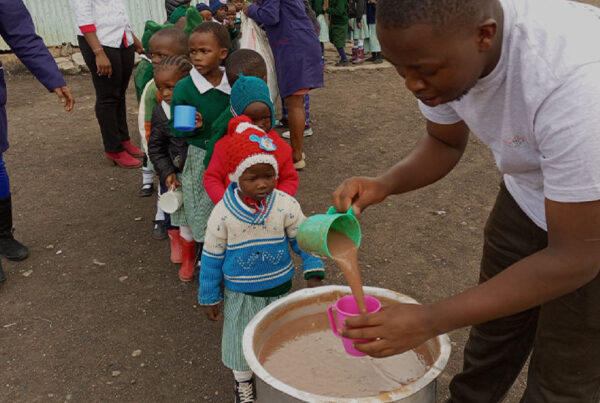
- Daily nutritious meals for all learners at Beyond the Vision Community School (BVCS)
- Balanced, locally sourced diets that include grains, proteins, and vegetables
- Health and hygiene education to build knowledge around nutrition
- Community partnerships that involve local women in cooking and serving
- Consistent monitoring of child growth and wellness
Our meals are carefully planned with the help of nutritionists and local health experts to meet growing children’s needs.
Real Impact: What We’re Seeing
The outcomes of consistent feeding are clear:
- Over 90% attendance rate at BVCS, driven by the assurance of daily meals
- Improved academic performance across all grade levels
- Noticeable growth in height and weight metrics
- Better classroom behavior and participation
- Higher enrollment, especially among girls and children with disabilities
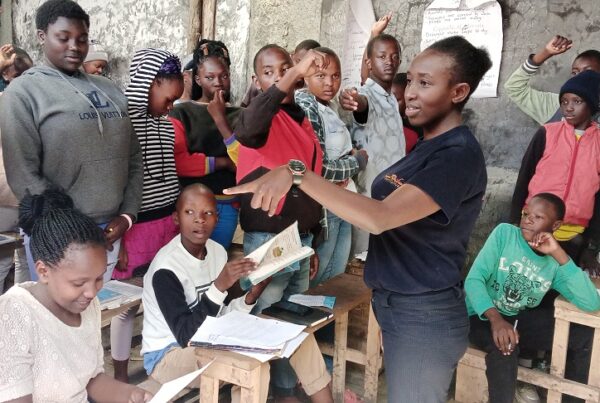
Teachers report that students are more attentive. Parents say they feel relief. And children—often for the first time—feel full and focused.
Community Involvement: Feeding with Dignity
Our program doesn’t just feed children—it also feeds hope into the local economy.
We employ local cooks—many of them mothers of the learners—who prepare the meals fresh every morning. We purchase ingredients from nearby markets and collaborate with community health workers to maintain hygiene and safety standards.
This model:
- Creates jobs
- Strengthens trust
- Builds ownership
- Supports local agriculture
The Link Between Nutrition and National Goals
Feeding programs aren’t just good for individual children. They align with Kenya’s Vision 2030 goals and the Sustainable Development Goals (SDGs), particularly:
- SDG 2 – Zero Hunger
- SDG 4 – Quality Education
- SDG 3 – Good Health and Well-being
They are a simple, scalable solution to complex systemic problems.
From Food to Futures: A Bigger Vision
Feeding programs open doors. When children are well-fed, they:
- Think more clearly
- Stay in school longer
- Build stronger immune systems
- Are less likely to suffer from stunted growth
- Are more confident in themselves and their futures
At BVI, we believe this isn’t just about meals. It’s about momentum.
We dream of scaling this model to reach more schools in more slums—eventually integrating sustainable farming, food literacy programs, and parent training.
How You Can Support the Feeding Program
We’re proud of how far we’ve come, but the demand is growing. With more children enrolling at BVCS and with food prices continuing to fluctuate, we need more partners to keep the program running—and growing.
You can help by:
- Sponsoring a child’s meals for a term or a year
- Contributing to kitchen equipment upgrades
- Partnering with us on food donations or logistics
- Telling others about what this meal means
- Every contribution feeds possibility.
Closing Thoughts: Feeding Is Teaching
At BVI, we know that every meal we serve is a lesson in care, in community, in commitment. We’re not just serving food—we’re serving futures.
Because when a child eats, they don’t just survive. They thrive.